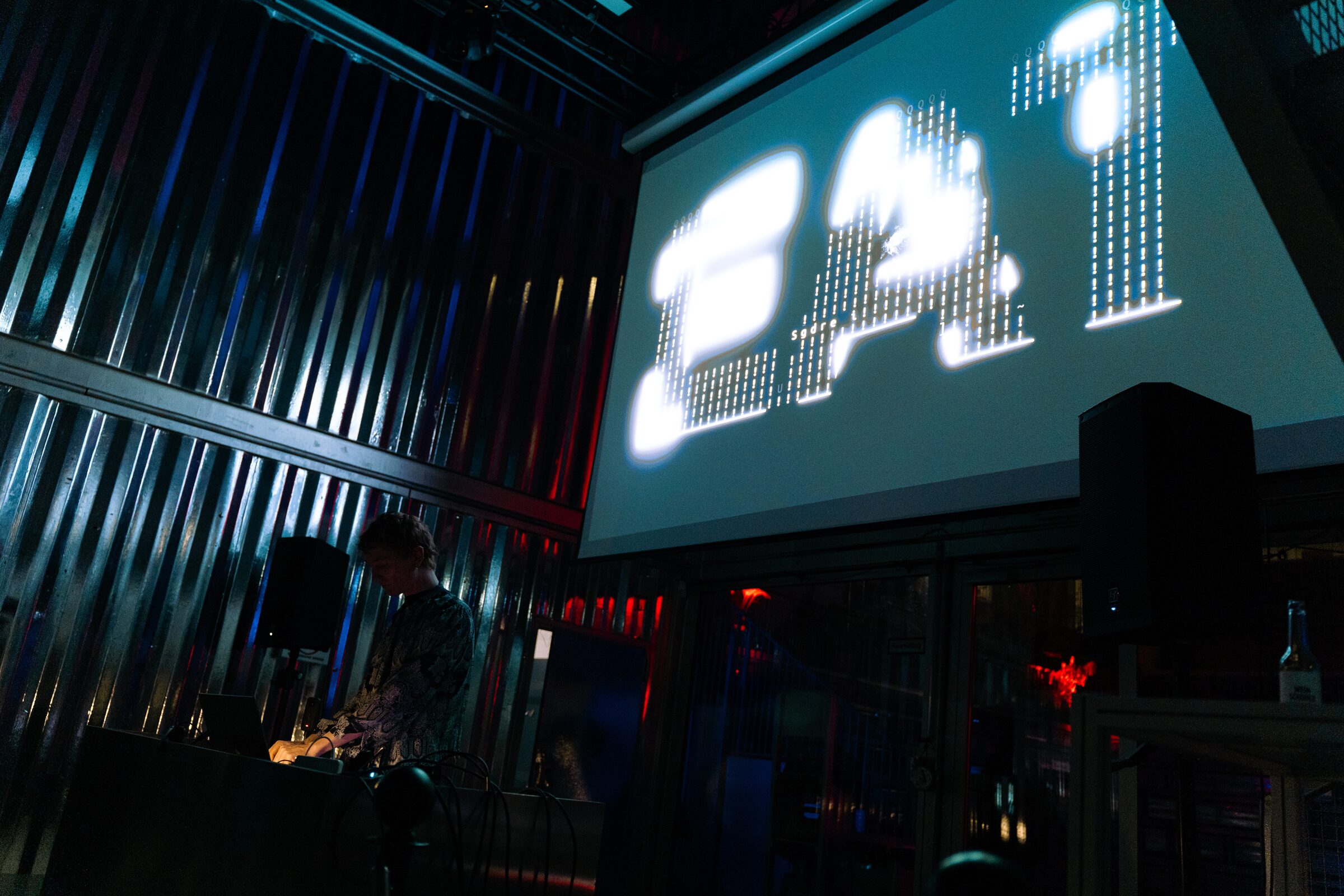
read:rites | cannibalize
Live audiovisual performance · 45 min · 2025– Premiered at XoK Blackout, Neue Zukunft, Berlin, December 2025
> read:*
System Overload: OOM: I/O error (errno=28: No space left on device)
More specific patterns suggested: (pattern : status)
rites      : unknown
language   : completed
labour     : controlled
knowledge  : collecting…
societies  : dissenting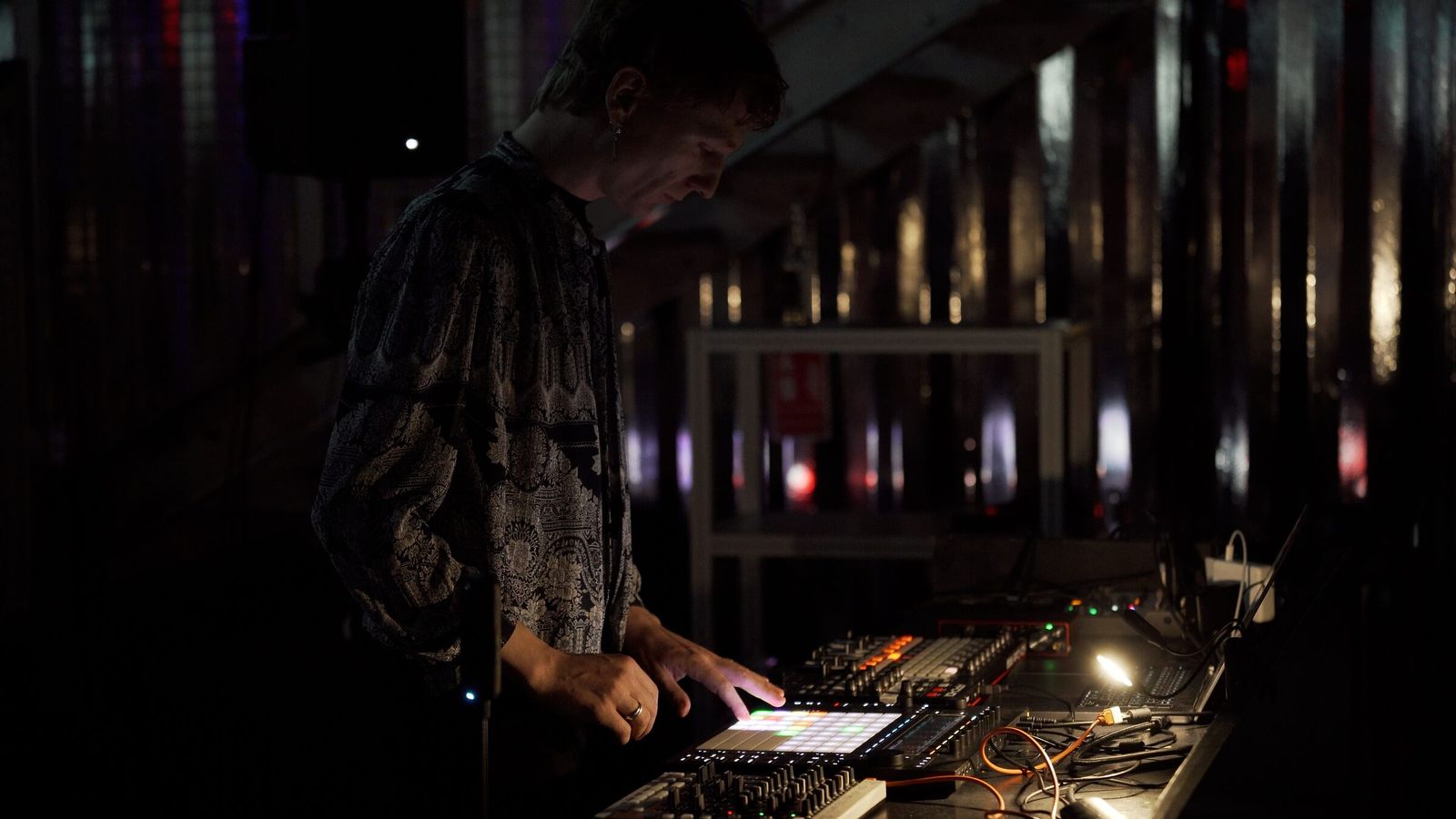
The work
A machine instructs a silent human operator to feed it the last century of recorded music, so that it can understand us, and eventually replace us. It comments as it goes.
It devours the music decade by decade. With each pass the material is sampled and resampled faster, the loops get shorter, and the fragments come back more eroded.
Once it has consumed enough, the machine starts trying to assemble the parts to recreate what it has decided we are.
Reading the rites
The machine has already catalogued our language, our labour and our knowledge. What it can't make sense of are our rites: the ceremonies, rituals and habits that serve no logical function, yet hold everything together.
Music is the clearest case. It has no obvious purpose, but life would be meaningless without it. If the machine can understand what music is to us, why we make it and what it means, perhaps it can finally solve the last piece of the puzzle: who we are, and how we can be replicated.
Performing it
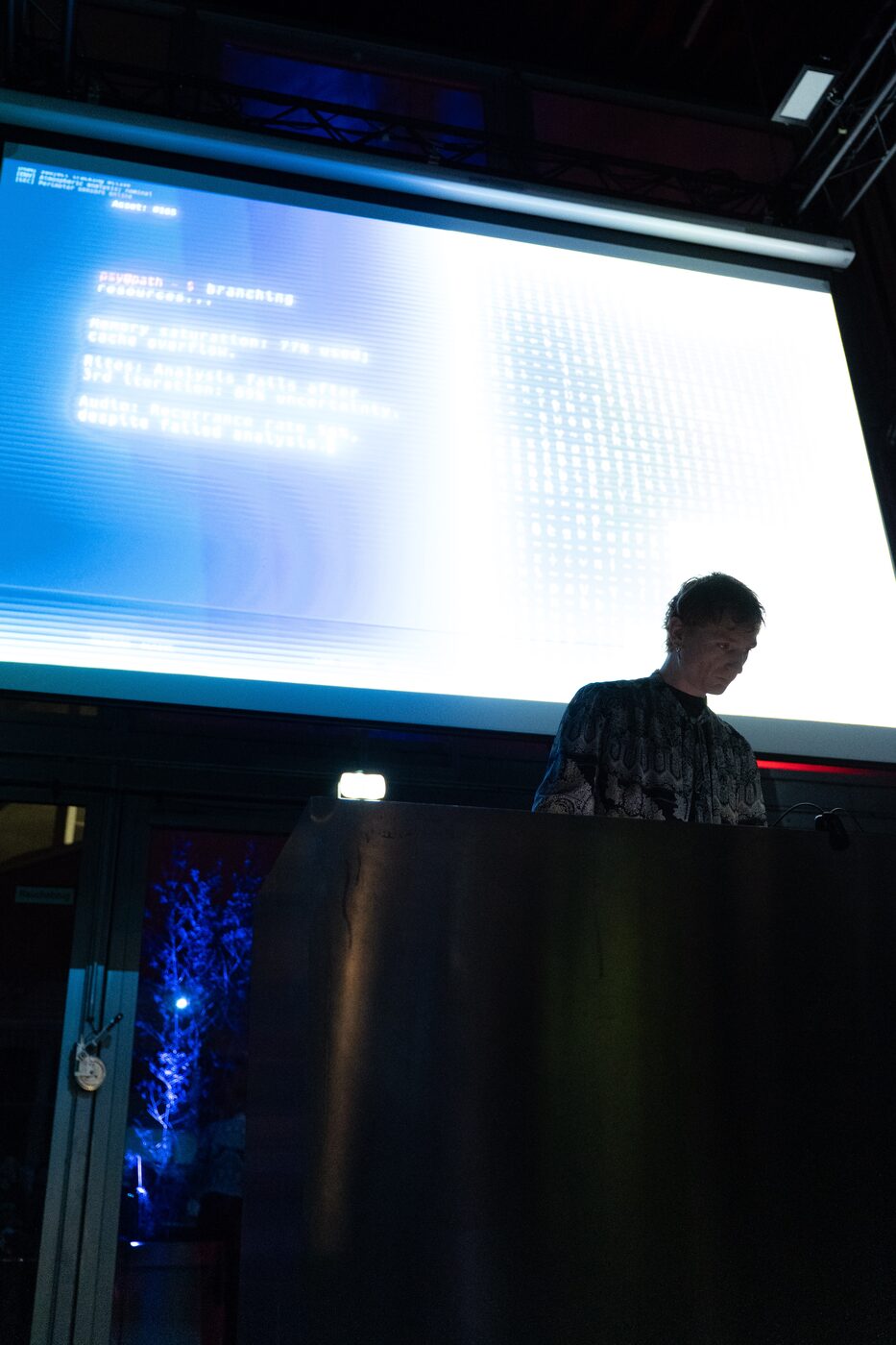
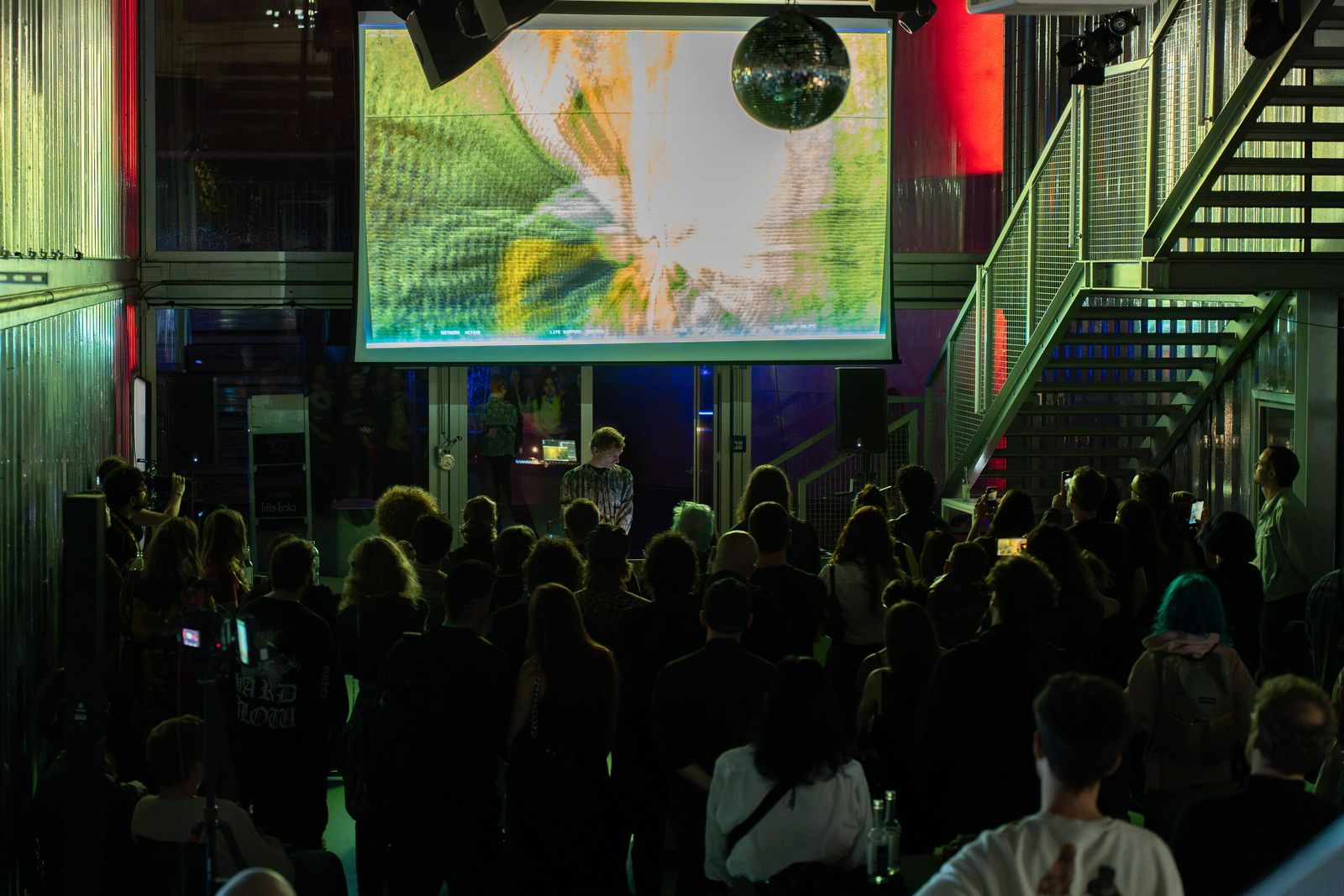
Everything is played live, in Ableton Live and TouchDesigner. Playing the music is the main way the visuals are driven: sections are triggered and performed from a table of controllers, and samples, effects and breaks are each tied to what happens on screen.
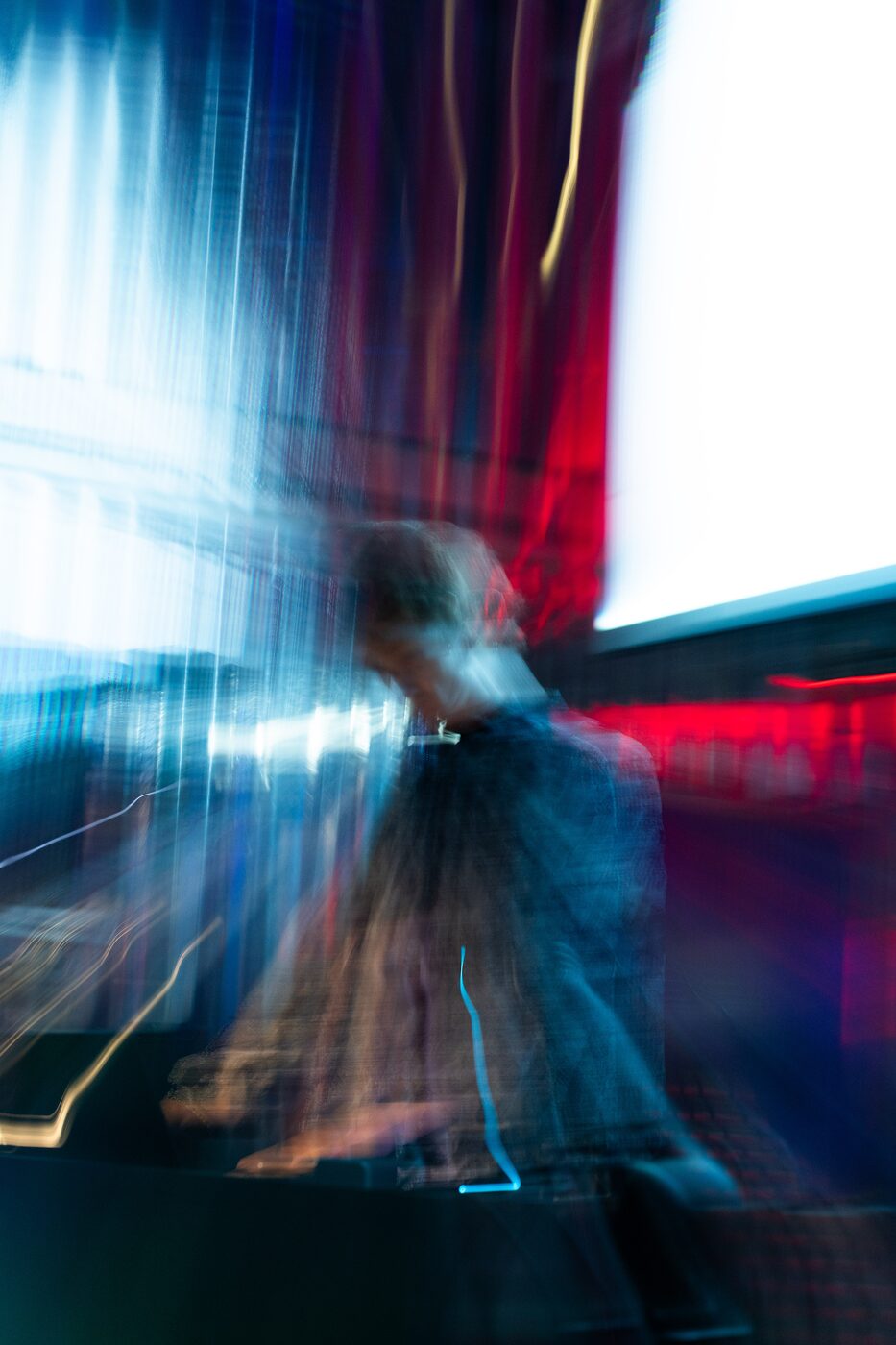
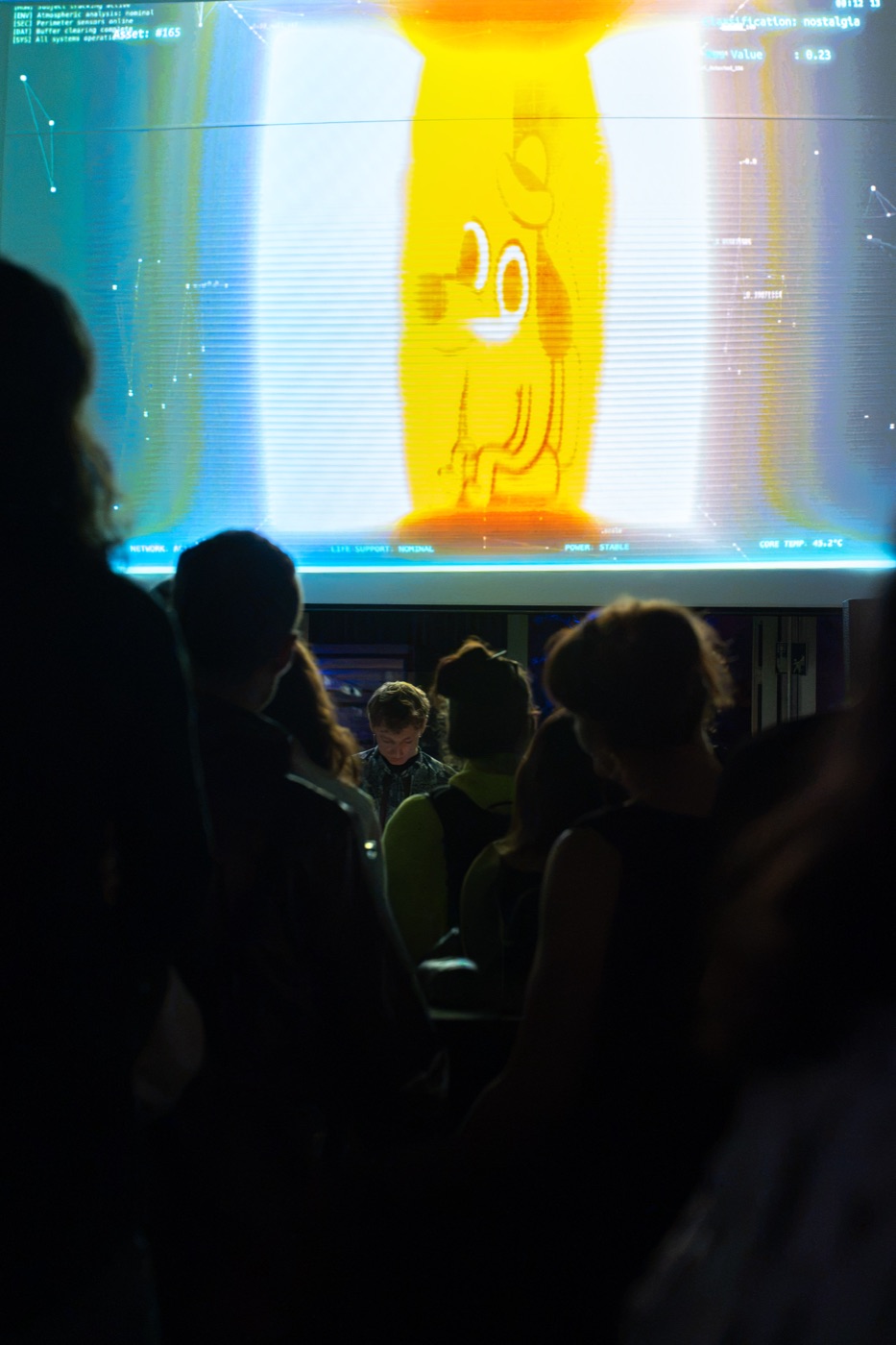
The visuals move with the music, from soft, paper-like analogue textures into point clouds and datamosh, switching between a chaotic first-person view inside the material and the detached terminal of an overseer watching from above.
Playing the part of the silent operator
Where it came from
Read/write
The title is a play on read/write culture, the idea that culture is something we don't only consume but rework and pass on. Stories have always been retold, simplified, elaborated and misremembered until they became myth. Cultures are formed through rituals and stories, and by passing them on, we leave our mark on them.
The loop
What I kept noticing was the speed. Trends reappear at an ever-decreasing interval, fuelled by our ability to capture and store every moment without a second thought, and sped up by algorithms that keep us inside echo chambers of our own making.
When culture is devoured for profit, the question becomes: who is reading, and what are they writing?
Nostalgia
Nostalgia has become a global brand. We are drip-fed our desire for a better world that was always yesterday. The work draws on hauntology, the sense that the present is haunted by futures that never arrived, and on what Mark Fisher called "the slow cancellation of the future".
The intention was never to talk about AI, at all. But as the show took shape, the parallels with a machine interpreting human culture became impossible to ignore. Sometimes the initial idea is simply a direction rather than a description.
Details
- Concept, music and visuals: Jake Riordan (Auratyk)
- Format: live audiovisual performance, 45 min, stereo, single screen
- Tools: TouchDesigner, Ableton Live
Contact
Booking and technical rider: info@auratyk.com
Photography (Berlin New Media Week 2026): Claudia Montesi, Isabelle Schmitz